Cyclothymic Disorder Treatment in India: Managing Mood Instability and Building Long-Term Emotional Balance

Understanding Cyclothymic Disorder at Royal House of Psychiatry (RHOPE)
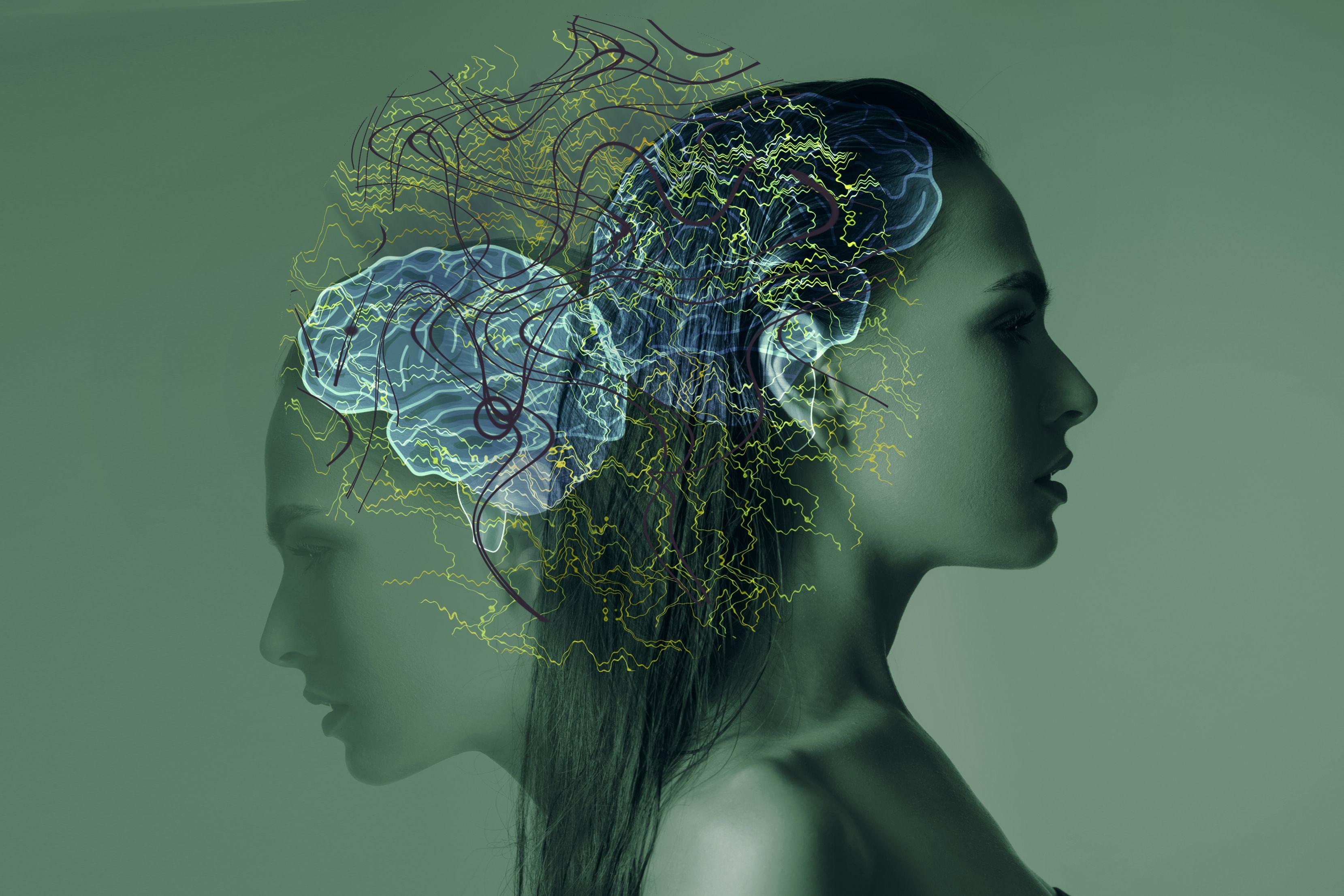
Cyclothymic Disorder is a chronic mood condition involving repeated fluctuations between mild depressive symptoms and hypomanic symptoms. Unlike Bipolar I or II, these mood shifts are less intense but occur frequently and persist for at least two years. While symptoms may seem manageable on the surface, they can disrupt emotional stability, relationships, self confidence and daily functioning.
Individuals with Cyclothymia often describe feeling emotionally unsettled. They may experience days of increased energy, motivation or restlessness, followed by periods of low mood, self doubt and fatigue. These cycles may appear mild to others but feel deeply disorienting to the individual. Over time, these fluctuations create feelings of unpredictability and emotional exhaustion.
At Royal House of Psychiatry (RHOPE), we understand that Cyclothymic Disorder is often overlooked or misinterpreted as a personality trait, moodiness or stress response. Many individuals seek help only after years of instability. RHOPE provides a safe, non judgmental environment where individuals finally receive clear answers and meaningful support. Our treatment model focuses on stabilising mood, building emotional resilience and preventing progression into more severe bipolar conditions.
What Is Cyclothymic Disorder
Cyclothymic Disorder is a chronic mood instability condition where individuals cycle between mild hypomanic symptoms and mild depressive symptoms. These shifts are persistent, unpredictable and disruptive to emotional wellbeing.
RHOPE focuses on identifying long term patterns and designing treatment plans that restore stability and self regulation.

Key Symptoms of Cyclothymic Disorder
Symptoms appear in cycles and may vary throughout weeks or months.
1. Mild Hypomanic Symptoms
- Increased energy or restlessness.
- Fast thoughts, increased productivity or reduced need for sleep.
2. Mild Depressive Symptoms
- Low mood, fatigue or emotional heaviness.
- Difficulty focusing or reduced interest in daily activities.
3. Emotional Instability
- Frequent mood shifts that feel unpredictable.
- Difficulty maintaining consistent routines or relationships.
Real Stories. Real Help. Unlock understanding:
Mehul, age twenty six, experiences weeks of high energy where he feels driven and enthusiastic, followed by weeks of low motivation and emotional sensitivity. His family sees it as inconsistency, but Mehul feels confused and exhausted. At RHOPE, he learns that these patterns are symptoms of Cyclothymic Disorder and begins a structured treatment plan that finally brings stability.

Causes and Risk Factors
- Genetic Predisposition
Family history of bipolar or mood disorders increases risk. - Neurochemical Factors
Irregularities in mood regulating neurotransmitters. - Chronic Stress or Trauma
Long term stress disrupts emotional regulation systems. - Personality and Sensitivity Patterns
Highly sensitive or reactive emotional profiles may predispose individuals.
RHOPE identifies personal risk patterns to guide long term emotional stabilisation.
Diagnosis of Cyclothymic Disorder at Royal House of Psychiatry (RHOPE)
This careful evaluation ensures accurate diagnosis and targeted interventions.
Diagnostic Methods Used at RHOPE
- Comprehensive Clinical Interview
Explores years of mood patterns and functional impact. - Mood Tracking and Cyclic Pattern Identification
Detects long term cycles involving low grade depression and hypomania. - Standardised Assessment Tools
Measures emotional stability, impulsivity and mood patterns. - Medical and Hormonal Screening
Rules out thyroid issues or medical causes for mood fluctuations. - Family and Social History
Provides insight into genetic predisposition and environmental triggers.
This careful evaluation ensures accurate diagnosis and targeted interventions.

Comprehensive Treatment Options for Cyclothymic Disorder at RHOPE
Cyclothymic Disorder benefits from long term care that reduces fluctuations and strengthens emotional foundation.
1. Mood Stabilising Medications
- Helps even out emotional cycles.
- Reduces frequency and intensity of fluctuations.
Medications are carefully selected based on symptom patterns.
2. Cognitive Behavioral Therapy (CBT)
- Helps manage negative thinking and emotional reactivity.
- Strengthens coping mechanisms during mood shifts.
CBT enhances long term emotional balance.
3. Interpersonal and Social Rhythm Therapy (IPSRT)
- Stabilises sleep, daily routines and biological rhythms.
- Reduces mood instability triggered by lifestyle disruptions.
This therapy is highly effective for bipolar spectrum conditions.

4. Psychoeducation
- Helps individuals understand mood fluctuations.
- Encourages early recognition of symptom changes.
Knowledge empowers long term mood regulation.
5. Family Therapy and Support
- Helps families understand mood cycles.
- Reduces conflict and builds supportive dynamics.
Family involvement increases treatment effectiveness.
6. Stress and Lifestyle Management
- Focuses on sleep, exercise and routine stability.
- Reduces emotional vulnerability and mood swings.
A predictable lifestyle greatly enhances emotional control.
Long-Term Emotional Stability and Recovery Planning at RHOPE
Cyclothymic Disorder requires ongoing support, monitoring and personal skill building.
- Regular follow ups to assess mood and adjust treatment.
- Long term therapy for emotional regulation and identity building.
- Structured relapse prevention strategies.
- Support for integrating routines, work life balance and healthy relationships.
RHOPE ensures individuals build deep, sustainable emotional stability.
Why Choose Royal House of Psychiatry (RHOPE)
RHOPE offers unmatched expertise in bipolar spectrum conditions.
- Accurate diagnosis backed by years of clinical experience.
- Personalised mood stabilisation plans.
- Strong therapy systems for long term balance.
- Family involvement and psychoeducation.
- Focus on preventing progression into full bipolar disorder.
- Supportive environment that values dignity and emotional wellbeing.
RHOPE empowers individuals to regain emotional predictability and long term stability.

Frequently Asked Questions
- Can Cyclothymic Disorder be treated?
Yes. Symptoms improve significantly with consistent care and lifestyle regulation. - Can Cyclothymia turn into Bipolar Disorder?
It can in some individuals, but early treatment reduces this risk greatly. - Is medication always required?
Not always. Some individuals improve with therapy and routine regulation. - Can people with Cyclothymia live normal lives?
Absolutely. With treatment, many achieve stable, fulfilling lives. - Does Cyclothymic Disorder affect relationships?
Yes. Emotional instability can create conflict, but therapy helps greatly.

Begin Your Emotional Stability Journey with RHOPE
Cyclothymic Disorder may feel subtle yet exhausting, but with the right support, long term stability is within reach. At Royal House of Psychiatry (RHOPE), we provide expert diagnosis, customised treatment and deep emotional guidance for individuals seeking balance and long term wellbeing.
To schedule an evaluation or consultation, contact Royal House of Psychiatry (RHOPE) today. Your journey to emotional stability and clarity begins now.
Take the First Step Today
You deserve emotional calm and predictability.
Book your consultation at RHOPE today and step into lasting stability.
Cyclothymic Disorder Treatment Center
RHOPE: India’s trusted center for accurate diagnosis, mood stabilisation and long-term emotional balance in Cyclothymic Disorder.