Intellectual Disability Treatment in India: Symptoms, Causes, Diagnosis, and Effective Therapy Options for Maximizing Potential

Understanding Intellectual Disability at Royal House of Psychiatry (RHOPE)
Intellectual Disability, previously known as mental retardation, is a developmental condition that affects cognitive functioning, learning abilities and adaptive skills. At Royal House of Psychiatry (RHOPE), we understand that receiving a diagnosis can be overwhelming for parents and adults alike. Many families struggle with fear, guilt, confusion or uncertainty about what comes next.
Our mission is to help individuals with Intellectual Disability build meaningful, independent and confident lives. We combine scientific evaluation with deep compassion so that every individual receives the support they need at their own pace. At RHOPE, we focus on abilities rather than limitations and work closely with families to maximise lifelong potential.
What Is Intellectual Disability
Intellectual Disability is characterised by limitations in intellectual functioning and difficulty adapting to everyday life. These challenges usually appear during childhood and affect learning, communication, problem solving and social functioning.
Royal House of Psychiatry (RHOPE) provides structured, personalised programs that help individuals grow academically, emotionally and socially so they can participate more fully in daily life.

Key Symptoms of Intellectual Disability
Intellectual Disability presents differently depending on age and severity. Below are the most common symptoms families notice.
1. Symptoms in Early Childhood
- Delay in achieving developmental milestones
- Difficulty learning basic skills such as speaking or counting
- Trouble understanding instructions
- Limited problem solving skills
- Reduced curiosity or slower learning pace
- Difficulty with play skills
- Challenges in social interaction
Real Stories. Real Help. Unlock understanding:
Anita notices that her four year old struggles with speech, takes longer to learn colours and numbers, and depends heavily on adults for simple tasks. She worries if she is doing something wrong. At RHOPE, she finds understanding, proper evaluation and a clear path ahead.
2. Symptoms in School Age Children
- Academic struggles in reading, writing or mathematics
- Difficulty remembering information
- Slow processing of new concepts
- Need for repeated instructions
- Difficulty adapting to classroom rules
- Challenges with daily routines
- Limited independent skills
Real Stories. Real Help. Unlock understanding:
Kabir, aged nine, tries hard in school but cannot keep up with his peers. Teachers think he is inattentive. At RHOPE, we recognise that Kabir needs structured learning support rather than pressure or comparison.
3. Symptoms in Teenagers and Adults
- Difficulty planning or organising tasks
- Limited independence with money handling or transportation
- Challenges in understanding complex social cues
- Difficulty maintaining employment without support
- Slower acquisition of vocational skills
- Emotional frustration due to long term struggles
Real Stories. Real Help. Unlock understanding:
Maya, twenty one, wants to work and live independently but finds tasks like planning, scheduling and decision making difficult. With structured therapy at RHOPE, she learns practical skills that improve confidence and daily functioning.

Causes of Intellectual Disability
The most common causes include:
Prenatal Causes
- Genetic conditions
- Chromosomal abnormalities such as Down syndrome
- Maternal infections during pregnancy
- Exposure to alcohol, drugs or toxins
- Poor prenatal nutrition
Perinatal Causes
- Birth complications
- Lack of oxygen at birth
- Prematurity or low birth weight
Postnatal Causes
- Severe infections
- Head injuries
- Early childhood malnutrition
- Environmental deprivation
RHOPE’s multidisciplinary team evaluates not just the symptoms but the underlying cause to design the most effective intervention plan.
Diagnosis of Intellectual Disability at Royal House of Psychiatry (RHOPE)
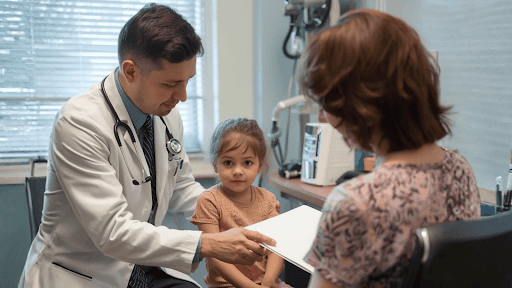
Accurate diagnosis is essential for selecting the right therapy and educational plan. At RHOPE, diagnosis is handled with care, patience and sensitivity, especially because families often arrive anxious or uncertain.
We use a combination of internationally validated tools, observational methods and functional assessments.
Diagnostic Methods Used at RHOPE
- Standardized IQ Tests
These tests measure cognitive functioning including reasoning, comprehension, memory and problem solving skills. They offer clarity on the individual's intellectual strengths and challenges. - Adaptive Behaviour Assessments
These tools evaluate how independently the individual can manage everyday tasks such as communication, social interaction, personal care, school or work functioning. - Developmental Screening Tools
These tools identify delays in speech, motor skills, learning and social development. - Family and Educational History
A detailed developmental history helps us understand the progression of difficulties and the individual's environment, educational exposure and learning style.
RHOPE emphasises clarity and compassion throughout the diagnostic process so that families understand the results and next steps without confusion or fear.


Effective Therapy Options for Intellectual Disability at RHOPE
Treatment for Intellectual Disability is most effective when multiple therapies work together. At Royal House of Psychiatry (RHOPE), the aim is always the same: to help individuals become as independent, confident and capable as possible.
1. Special Education and Academic Support
RHOPE provides structured learning programs that focus on:
- Basic academic skills
- Concept building
- Learning through repetition and visual aids
- Individualised education plans
- Remedial instruction tailored to the child’s pace
2. Occupational Therapy and Daily Living Skills
OT supports:
- Fine and gross motor development
- Self care skills such as dressing and grooming
- Sensory regulation
- Handwriting and classroom skills
- Attention and coordination
This therapy is crucial for helping individuals manage daily routines independently.
3. Speech and Language Therapy
Speech therapy helps with:
- Functional communication
- Social conversation skills
- Vocabulary building
- Correct articulation
- Non verbal communication and use of visual tools
4. Behaviour Therapy and Emotional Regulation
Behaviour therapy focuses on:
- Managing frustration and emotional outbursts
- Improving compliance with tasks and routines
- Replacing challenging behaviours with healthier ones
- Supporting social functioning and confidence
5. Social Skills and Community Participation Training
This training helps individuals learn:
- Basic interaction skills
- Understanding social rules
- Making friends
- Participating in group activities
- Workplace behaviour for older adolescents and adults
6. Vocational and Life Skills Training
This includes:
- Money handling
- Time management
- Workplace routines
- Household tasks
- Decision making and safety awareness
RHOPE’s program helps individuals progress towards greater independence with dignity.
7. Family Counselling and Guidance
Families receive guidance on:
- Home based strategies
- Creating supportive routines
- Emotional support and acceptance
- Understanding developmental needs
- Reducing caregiver stress
RHOPE ensures that the entire family feels supported, not overwhelmed.
Why Choose Royal House of Psychiatry (RHOPE) for Intellectual Disability Treatment in India
RHOPE provides:
- Comprehensive evaluation and personalised treatment plans
- A multidisciplinary team with deep expertise
- Long term support focused on independence
- Family centric guidance
- Non judgmental, empathetic care
- A structured system that builds confidence and skills over time
At RHOPE, we believe that every individual deserves a chance to thrive. Intellectual Disability does not define a person’s future. With the right support, the potential for growth is immense.

Frequently Asked Questions
- Can Intellectual Disability improve with treatment?
Yes. With early intervention and consistent therapy, individuals can develop stronger academic, social and daily life skills. - Can adults with Intellectual Disability learn new skills?
Absolutely. Adults can continue learning and building independence with the right vocational and life skills training. - Is Intellectual Disability the same as a learning disability?
No. Intellectual Disability affects overall cognitive functioning whereas learning disabilities affect specific academic skills. - Is medication used for Intellectual Disability?
Medication is not used to treat Intellectual Disability directly. It may be used if coexisting conditions such as anxiety or behavioural challenges are present. - How often should therapy be done?
Therapy frequency depends on the severity of the condition and the individual’s goals. RHOPE creates personalised plans for every patient.

Begin the Journey Toward Growth and Independence
Intellectual Disability may bring challenges, but with the right support, every individual can learn, grow and lead a fulfilling life. At Royal House of Psychiatry (RHOPE), you will find compassionate guidance, scientific expertise and long term support designed to maximise potential.
To schedule an evaluation or consultation, contact Royal House of Psychiatry (RHOPE) today. Your path toward clarity, independence and confidence begins here.
Take the First Step Today
Every individual with Intellectual Disability has unique potential waiting to be unlocked.
Book your consultation at RHOPE today and begin a journey of growth, independence and dignity.
Intellectual Disability Treatment Center
RHOPE: India’s trusted center for comprehensive evaluation, personalised therapy and lifelong support for Intellectual Disability.